
Nouns, Speak Confidently: Unlock the Heart of Every English Sentence
November 6, 2025Confused About Personal Pronouns? Here’s How to Get Them Right Every Time!
November 12, 2025Pronouns Made Simple: Your Key to Fluent English Speaking
When learning English, fluency isn’t just about knowing thousands of words — it’s about using them smartly. One small but powerful group of words that can instantly make your English sound smoother is pronouns. In this blog, we’ll simplify pronouns and show you how mastering them can unlock your confidence in speaking English nearby Ranchi and beyond.
What Are Pronouns?
Pronouns are words that replace nouns to avoid repetition and make sentences flow naturally.
For example:
- Instead of saying, Ravi said Ravi will come tomorrow,
you can say, Ravi said he will come tomorrow.
Here, “he” is a pronoun that replaces “Ravi.”
Simple, right? Yet this tiny change makes your speech cleaner and more natural.
Why Pronouns Matter in Fluent English
When we speak English fluently, we focus on clarity and rhythm. Pronouns help with both:
✅ They avoid repetition, making sentences smoother.
✅ They show relationships between people and things.
✅ They make communication quicker and more natural.
If you often repeat names or nouns, your speech may sound robotic. Pronouns bring a natural flow — something native speakers do effortlessly.
Types of Pronouns (with Easy Examples)
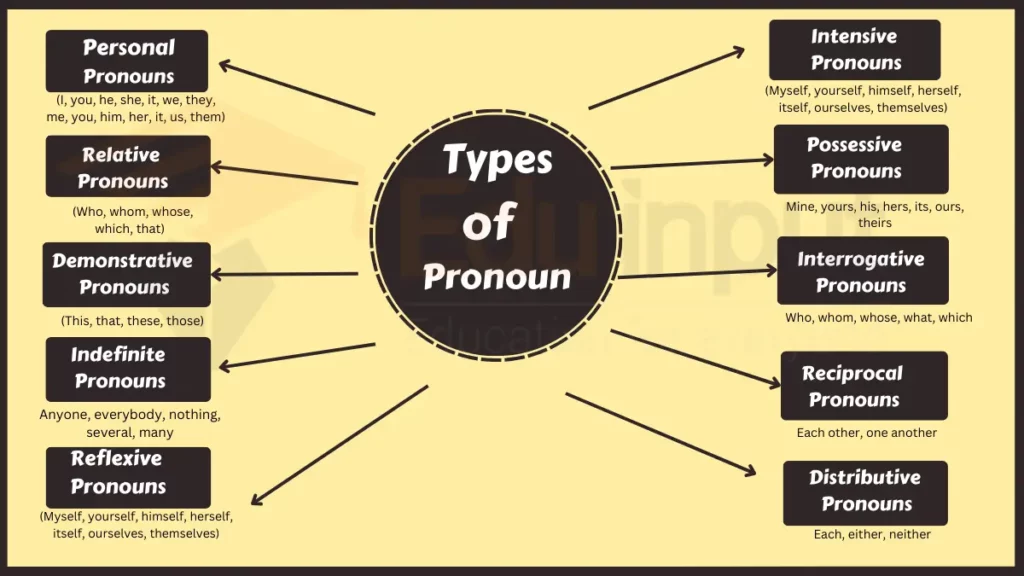
Let’s look at the main types of pronouns you’ll use every day:
- Personal Pronouns – Replace people or things.
I, you, he, she, it, we, they
👉 She is my teacher. They are my friends. - Possessive Pronouns – Show ownership.
mine, yours, his, hers, ours, theirs
👉 This book is mine. - Reflexive Pronouns – Reflect the action back on the subject.
myself, yourself, himself, herself, itself, ourselves, themselves
👉 I taught myself English. - Demonstrative Pronouns – Point out specific things.
this, that, these, those
👉 This is my favorite song. - Interrogative Pronouns – Ask questions.
who, whom, whose, which, what
👉 Who is your teacher? - Relative Pronouns – Connect parts of a sentence.
who, which, that
👉 The person who called you is my friend. - Indefinite Pronouns – Refer to non-specific things.
someone, everyone, anything, nobody
👉 Everyone loves holidays.
Common Pronoun Mistakes to Avoid
Even confident English speakers sometimes mix up pronouns. Watch out for these:
❌ Me and Riya went to school.
✅ Riya and I went to school.
❌ Everyone should bring their books. (Incorrect if “everyone” is singular)
✅ Everyone should bring his or her book.
❌ This is my pen, that is her’s.
✅ This is my pen, that is hers.
A small correction in pronoun use can make your English sound more polished.
Tips to Practice Pronouns for Fluency
- Listen to English speakers and note how often they use pronouns naturally.
- Record yourself speaking short stories or daily routines using pronouns.
- Play substitution games — replace names or nouns in sentences with pronouns to make speech smoother.
Example:
Ravi likes pizza. Ravi eats it often. → Ravi likes pizza. He eats it often.
Final Thoughts
Mastering pronouns is one of the easiest ways to sound confident in English. These small words make a big difference in how natural and fluent your speech feels. So next time you’re practicing English nearby Ranchi, pay attention to pronouns — your secret tool for clear and confident communication.
Join us today and take the first step toward a successful career in Spoken English!
Anshu Verma
Phone Number: +91-7520011303
Email ID: teamemancipation@gmail.com
Our Platforms:
Digilearn Cloud
EEPL Test
Live Emancipation
Follow Us on Social Media:
Instagram – EEPL Classroom
